
No products in the cart.
The Traveling Tea Tavern Chronicles: Cooking With Tea
The Traveling Tea Tavern Chronicles: Cooking With Tea
Quest Introduction
Traveler, your tea leaves have another adventure in them.
We spend plenty of time discussing how to brew tea — the water, the temperature, the vessel, the infusions and all the small choices that turn leaves and water into something worth lingering over.
But tea doesn’t have to stay in the cup.
Loose-leaf tea can bring floral, vegetal, earthy, roasted and tannic notes to food, too. It can infuse butter for baking, season rice, flavor marinades and become part of dishes both savory and sweet.
So this month, we’re taking the teapot into the kitchen.
Quick Answer
Can you cook with loose-leaf tea?
Yes. Loose-leaf tea can be used as a culinary ingredient in several ways: brewed tea can replace some or all of the liquid in a recipe, dry leaves can be ground and incorporated directly into food, and tea can be infused into ingredients such as butter.
The best tea depends on the dish. Green teas can contribute fresh and vegetal notes, floral oolongs can work beautifully in baked goods and aromatic dishes, while darker and more robust teas can stand up to stronger savory flavors.
The important part is remembering that tea is an ingredient with a flavor of its own — not simply flavored water.
Traveler’s Notes
Before You Raid the Tea Chest
Before pouring a little tea potion into your next culinary adventure, keep these tips tucked in your traveler’s pack.
Match the tea to the dish. A delicate tea can disappear behind strong spices, while a powerful tea may overwhelm something subtle.
Watch your steeping. More tea flavor isn’t always achieved by brewing longer. Over-steeped tea can introduce more bitterness and astringency than you intended.
Remember that you’re cooking with the leaves themselves sometimes. If a recipe calls for ground tea, use a tea whose flavor you’d actually want concentrated in the finished dish.
And perhaps most importantly:
You don’t necessarily need your rarest leaves.
Cooking with tea is a wonderful excuse to experiment with a tea you already enjoy — or discover what happens when a familiar tea transforms into a recipe enhancement.
Quest One: Dragon Well Green Tea Rice
One of the easiest ways to begin cooking with tea is also one of the most versatile: use tea with rice.
Zojirushi’s Green Tea Rice recipe is a remarkably efficient recipe. Green tea leaves are cold-steeped, and the strained leaves themselves are mixed into cooked rice with salt, sugar and roasted sesame seeds. This allows you to enjoy both a refreshing cup of green tea and rice — perfect for a questing traveling who doesn’t want to carry extra cooking or steeping gear.
When the Tea Tavern makes this dish, it’s chef always reaches for Dragon Well, a traditional pan-roasted Chinese green tea. Tea Tavern’s selection has a bright, light character with a vegetal aroma and mellow undertone, adding a light accent to the rice and toasted sesame that still allows for the expression of each different flavor.
All you need for easy recipe is green tea leaves. But the amount of tea — and subsequent strength of the green tea flavor — is entirely up to you.
Traveler’s Tip: Tea Is Seasoning
When cooking with tea, think about it the same way you would any other aromatic ingredient. In this case, it functions much like the sesame seeds or herbs would — as a flavor additive, not the base flavor.
Quest Two: Oolong Tea Eggs
For a truly magical cooking experience, we invite you make Chinese Tea Eggs frrom The Kitchn.
This recipe elevates eggs by steeping or simmering them in an intensely aromatic mixture of tea, soy sauce and other umami ingredients. Cracking the shell before the long soak creates their characteristic marbled appearance while allowing the seasoned liquid to work its way into the egg.
The Kitchn’s version specifically notes that oolong works particularly well, bringing floral depth to the salty, spiced marinade.
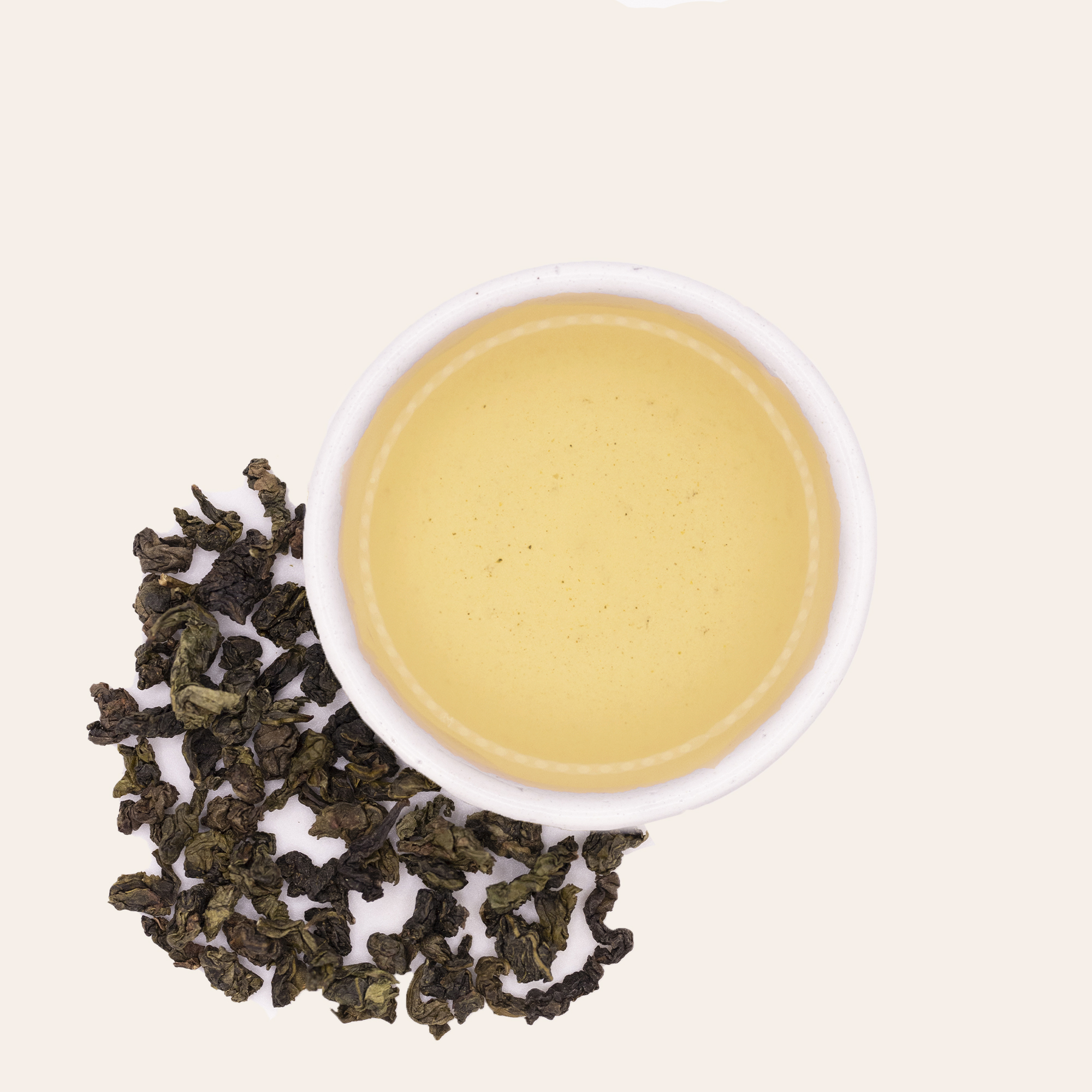
That makes this an excellent adventure for Tie Guan Yin — 鐵觀音, or “Iron Guan Yin” — which is one of China’s most famous oolongs. Tea Tavern’s version comes from Anxi in Fujian and is lightly oxidized, giving it an aromatic, floral character with a rich but light flavor.
Here, that floral character gets to play against soy sauce, star anise, cinnamon, ginger and the other assertive flavors traditionally found in the marinade.
And tea eggs aren’t restricted to the snack table. They can accompany rice, noodles or congee, making a batch particularly useful to have waiting in the refrigerator.
A Darker Path Through the Same Quest
Want to experiment further?
Tea eggs can also be made with darker teas. One published version from PY’s Kitchen actually combines pu-erh and oolong in the marinade.
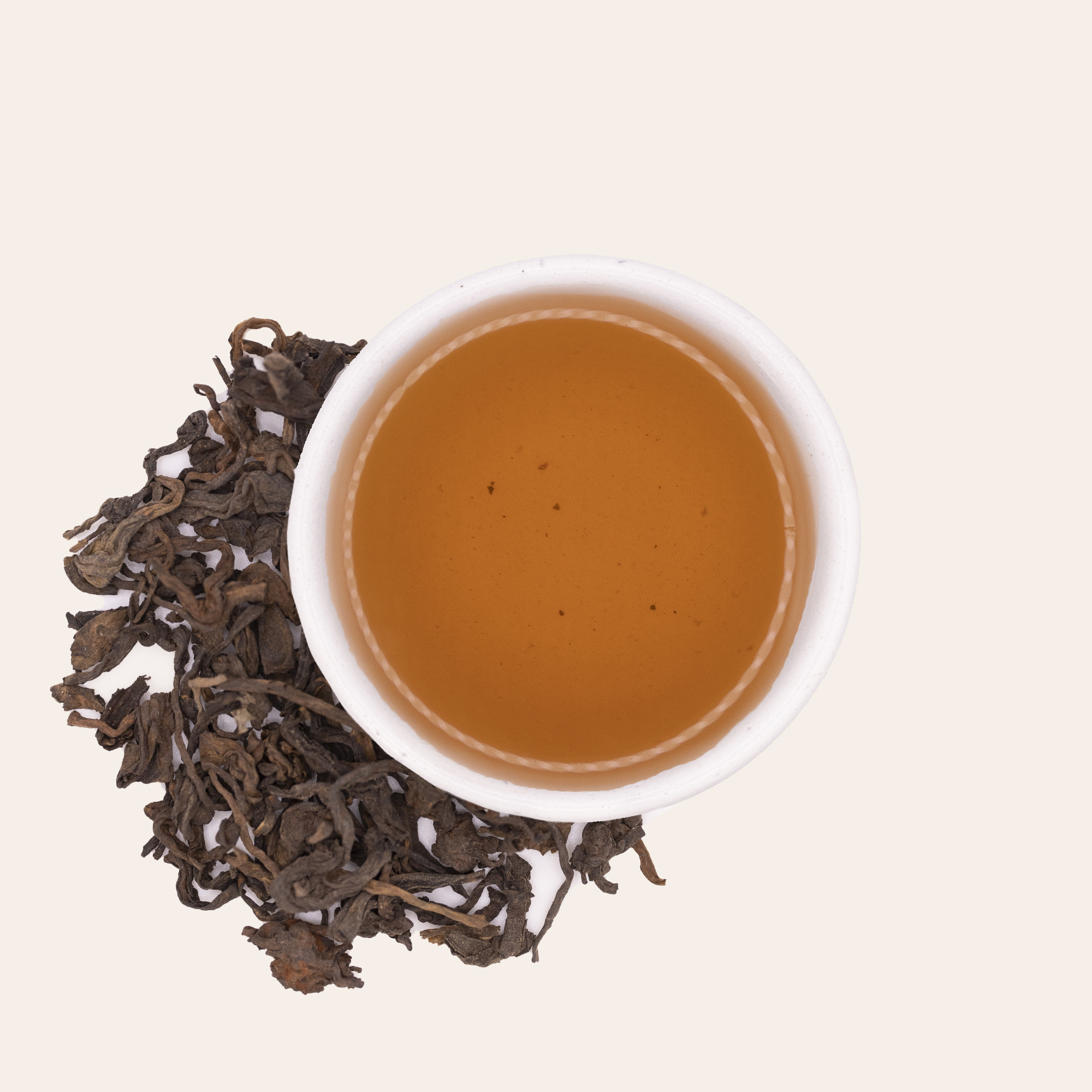
For the pu-erh half of that experiment, Tea Tavern carries several shu pu-erhs, including Aini Bamboo Shu Pu’erh.
Aini Bamboo Shu is rich and full-bodied — Tea Tavern even recommends its strong flavor as a base for chai or milk tea — so it offers a very different direction from the lighter, more floral Tie Guan Yin.
One recipe. Two very different paths.
We heartily endorse culinary side quests.
Quest Three: Oolong Brown-Butter Sugar Cookies
Yes, Traveler. We have reached dessert.
Recipe developer and cookbook author Kristina Cho uses oolong in two different ways in her Oolong Tea Sugar Cookies: the leaves infuse browned butter, and finely ground tea is mixed with sugar to coat the cookies.
This is another place where Tea Tavern’s Tie Guan Yin offers an interesting option.
Infusing tea into fat is a different culinary technique from simply brewing it in water. In this recipe, the oolong shares the stage with browned butter, vanilla and sugar, while additional finely chopped tea leaves carry the flavor into the cookie’s exterior.
It’s also an excellent illustration of why “cooking with tea” doesn’t mean every recipe has to announce itself as overwhelmingly tea-flavored.
Sometimes tea is the main character.
Sometimes it’s the mysterious traveler sitting quietly in the corner of the tavern who somehow makes the entire story more interesting.
Frequently Asked Questions from Fellow Travelers
Can you cook with loose-leaf tea?
Yes. Loose-leaf tea can be brewed and used as a cooking liquid, infused into ingredients such as butter, or finely ground and incorporated directly into some recipes.
What kinds of tea can be used for cooking?
Green, oolong, black/red, white and fermented teas such as pu-erh can all be used in cooking. The best choice depends on the other ingredients and the flavor you want the tea to contribute.
Can you use green tea to cook rice?
Yes. Green tea can be incorporated into rice in several ways. Some recipes cook rice with brewed tea, while others incorporate steeped tea leaves into cooked rice.
What kind of tea is used for Chinese tea eggs?
Black tea is commonly used for Chinese tea eggs, but oolong and pu-erh can also be used. Different teas will change the aroma and flavor of the marinade.
Can you bake with loose-leaf tea?
Yes. Depending on the recipe, loose-leaf tea can be finely ground and added directly to baked goods or infused into ingredients such as butter before baking.
Which Tea Tavern teas are good for cooking?
It depends on the recipe. Dragon Well is an interesting option for dishes that benefit from a lighter, vegetal green tea, while Tie Guan Yin can contribute floral oolong notes. Richer teas such as Aini Bamboo Shu Pu’erh can stand up to stronger flavors and offer another option for culinary experimentation.
Sources & Further Reading
Zojirushi — Green Tea Rice
https://www.zojirushi.com/app/recipe/green-tea-rice
The Kitchn — Chinese Tea Eggs
https://www.thekitchn.com/tea-eggs-recipe-23769740
PY’s Kitchen — Chinese Tea Eggs with Pu-erh and Oolong
https://pyskitchen.com/pyskitchen-recipe/chinese-dim-sum-mantou-sourdough-steamed-bun-s4tca
Eat Cho Food — Oolong Tea Sugar Cookies
https://eatchofood.com/blog/2021/1/22/oolong-tea-sugar-cookies
Tea Tavern — Dragon Well
https://www.tea-tavern.com/product/dragon-well/
Tea Tavern — Tie Guan Yin
https://www.tea-tavern.com/product/tie-guan-yin/
Tea Tavern — Aini Bamboo Shu Pu’erh
https://www.tea-tavern.com/product/aini-bamboo-shu-puerh/
Traveler’s Invitation
Ready to Begin Your Own Culinary Side Quest?
Your tea doesn’t have to stay in the teapot.
Explore the Tea Tavern’s collection of Chinese teas and choose a few leaves for your next kitchen experiment — whether they wind up in a gaiwan, a rice bowl, a marinade or a batch of cookies.
Just remember to save enough for a cup.
Explore Tea Tavern’s tea collection
Until our paths cross again, Traveler — may your kettle be hot, your pantry well stocked and your experiments delicious.
Leave a Reply